







Search Results for: Starbucks Decaf
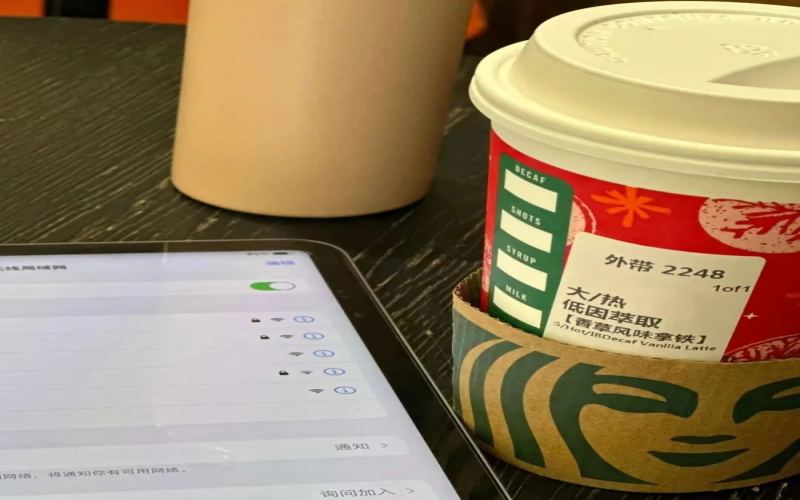
Starbucks' New Drinks No Longer Offer Decaf Espresso, and the Reasons Relate to the Launch of Blonde Roast Beans and Equipment Limitations
For consumers who are sensitive to caffeine but unwilling to give up the flavor of coffee, decaf options have always been an important selling point for chain brands, and Starbucks, with its rich product line and convenient decaf checkbox feature, has become the top choice for this group. However, recently many customers have noticed that many Starbucks stores in China have quietly removed the decaf espresso option from new products, and those who want decaf coffee can only choose from a fixed selection of classic products. This change has caused confusion and dissatisfaction among the decaf-demand group. What exactly caused the stores to make this adjustment? According to informed partners, this is directly related to the Golden Roast beans launched two months ago and the bean hopper configuration of the stores' coffee machines. This article will sort out the course of the incident, consumer feedback, and the equipment limitations behind it, and explain which stores can still normally provide decaf new products. [more…]
Analysis of Flavor Differences Between Decaf and Regular Coffee: Pros and Cons of Starbucks Decaf Americano and Its Impact on Sleep
While caffeine boosts alertness, it can also cause issues like insomnia and palpitations, which is why decaf coffee has gradually entered the public eye. In this article, Front Street Coffee (FrontStreet Coffee) will discuss the origins of decaf coffee, standards across different countries, mainstream decaffeination processes, and flavor performance, as well as specifically analyze the pros and cons of Starbucks decaf Americano and whether it affects sleep. At the same time, Front Street Coffee will also share the cupping flavors and pour-over parameters of a Colombian decaf coffee, helping coffee lovers gain a more comprehensive understanding of decaf coffee. [more…]
Analyzing the Flavor Differences Between Decaf and Regular Coffee: Pros and Cons of Starbucks Decaf Americano and Its Effects on Sleep
Although coffee is a powerful pick-me-up, the caffeine in it also makes some people hesitate. Excessive caffeine intake can cause discomfort such as insomnia and palpitations, so is there an option that lets you enjoy coffee's flavor without worrying about caffeine's side effects? Decaf coffee exists precisely for this purpose. From the perspective of Front Street Coffee, this article will sort out decaf coffee's historical origins, standards in various countries, the naturally low-caffeine variety Laurina, and the mainstream Swiss Water decaffeination process. At the same time, we will also objectively analyze the pros and cons of Starbucks decaf Americano and discuss whether it really does not affect sleep. At the end of the article, we have attached the cupping flavors and pour-over parameters of Front Street Colombia Decaf for coffee lovers to reference and practice. [more…]
How does Starbucks House Blend differ from Decaf House Blend? Does decaf coffee contain caffeine?
Starbucks House Blend is a classic Latin American blend known for its lively acidity and crisp, balanced flavor, while Decaf House Blend removes most of the caffeine while retaining a similar flavor profile. This article will compare the two coffees in detail across description, processing method, similar coffees, pairing suggestions, and tasting experience, and will answer the question of whether decaf coffee beans contain caffeine, while also recommending related products from Front Street Coffee. [more…]
The Origin of Decaf Coffee | What Are the Differences in Flavor and Mouthfeel Between Decaf and Low-Caffeine Coffee? Will Drinking Starbucks Decaf Americano Affect Sleep?
Coffee has gradually become the beverage of choice for many people due to its refreshing and invigorating effects. However, because coffee contains a large amount of caffeine, excessive consumption can lead to symptoms such as insomnia and palpitations. So, is there such a thing as caffeine-free coffee? In this article, Front Street Coffee (FrontStreet Coffee) [more…]
A Comprehensive Analysis of Decaf Coffee Beans: Decaffeination Processes, Flavor Truth, and a Comparison with Starbucks Decaf
Decaf coffee is not completely caffeine-free; rather, the vast majority of caffeine is removed through special processes. Since German merchant Ludwig Roselius invented the steam decaffeination method in 1903, decaffeination technology has developed along multiple paths, including the natural solvent method, the Swiss Water Process, and the carbon dioxide method. Many people worry that decaf coffee will suffer a major loss of flavor, but the fact is that the amount of caffeine does not directly determine the taste—what truly affects flavor is variety, origin, processing method, and roast level. This article will systematically review the history of decaf coffee, the three mainstream decaffeination methods, and flavor performance, while also comparing the differences between Starbucks decaf coffee and regular coffee, and providing reference for everyday purchasing. [more…]
Starbucks Decaf Espresso Roast: Flavor Analysis and Pricing Characteristics
Decaf coffee is not an independent coffee variety, but rather a relative concept—compared with regular coffee beans, it has a lower caffeine content. Starbucks Decaf Espresso Roast is a decaffeinated coffee with the rich caramel texture of a dark espresso, and it took months of experimentation in 1975 to determine the perfect blend of bean type and roast. So what exactly does this kind of decaf espresso taste like? And what are the characteristics of its coffee price? Today, Front Street will give everyone a systematic introduction to the relevant knowledge about decaf coffee from the perspectives of the role of caffeine, the types of decaf coffee, artificial decaffeination methods, and flavor performance. [more…]
An Analysis of Starbucks Decaf Coffee Flavor Characteristics: Differences Between Decaf and Regular Coffee and Main Decaffeination Processes
Caffeine is the key source of coffee's stimulating effect and an important reason why many people drink coffee every day. However, tolerance to caffeine varies greatly from person to person. Some people experience palpitations and insomnia after consuming even a small amount, yet they cannot give up the flavor of coffee, so decaf becomes an ideal alternative. This article focuses on the taste of Starbucks decaf coffee. It first explains the definition of decaf and the naturally low-caffeine variety Laurina, then compares the EU and U.S. FDA standards for decaffeinated coffee, and subsequently reviews the principles, advantages, and disadvantages of four mainstream processes: the direct solvent method, the supercritical carbon dioxide method, the Swiss Water Process, and the mountain spring water process. Combined with the cupping performance of Front Street Coffee's Colombia Huila decaf beans, it helps coffee enthusiasts fully understand the difference between decaf coffee and regular coffee. [more…]
The Origin Story of Decaf Coffee Beans, Caffeine Removal Processes, and an Analysis of Starbucks Decaf Content
Decaf coffee is not completely caffeine-free; rather, at least 97% of its caffeine content has been removed. This article begins with the historical origins involving Goethe and Runge, traces how decaf coffee went from the laboratory to mass production, and provides a detailed introduction to the principles and characteristics of three mainstream decaffeination processes: the Swiss Water Process, the solvent-based process, and the carbon dioxide process. It also addresses the question of whether decaf coffee tastes bad and analyzes its antioxidant components and nutritional value, helping coffee enthusiasts gain a comprehensive understanding of the truth about decaf coffee. [more…]

A Complete Guide to Decaf Coffee: From Origins to Decaffeination Processes—Is Starbucks' DECAF Series Actually Good?
The rich aroma of coffee is intoxicating, yet the intolerance reactions brought on by caffeine—insomnia, palpitations, and the like—also deter many people. The emergence of decaf coffee happens to offer such enthusiasts a choice that balances flavor with physical comfort. This article will begin with the historical origins of decaf coffee, systematically sorting out the principles and characteristics of various decaffeination processes, including chemical solvent extraction, the Swiss Water Process, the Ice River water process, and supercritical carbon dioxide extraction, while also analyzing how decaf coffee performs in terms of antioxidant components and nutrients. Front Street Coffee will also, drawing on its own products, discuss the real reasons why decaf coffee tastes inferior, and why choosing green beans of good quality is more crucial than the decaffeination technology itself. [more…]
Analysis of the Three Major Decaffeination Processes for Decaf Coffee: Flavor and Safety Comparison of Solvent Extraction, Swiss Water Process, and Carbon Dioxide Method
Caffeine content is influenced by multiple factors such as bean variety, grind size, and brewing method, and drip coffee often has higher caffeine than Espresso. For those who want to reduce their intake without giving up a rich mouthfeel, decaf coffee is an ideal choice. This article explains in detail three mainstream decaffeination processes—methylene chloride solvent extraction (direct and indirect), the Swiss Water Process, and carbon dioxide extraction—analyzes their respective effects on flavor and safety, and specifically explains Starbucks decaf coffee's two processing paths and the issue of residual solvents. At the end is information on how to obtain Front Street Coffee specialty beans, making it suitable reading for coffee lovers who value health while pursuing flavor. [more…]

Is Decaf Coffee Becoming the Market's New Hotspot? Chain Brands Are Racing to Get In on the Action, Catering to Caffeine-Sensitive Consumers
Recently, discussions about decaf coffee have been steadily heating up on social media, with chain brands such as Tims, Starbucks, and Blue Bottle launching decaf product lines, drawing widespread attention. According to statistics, the proportion of people worldwide with caffeine intolerance is as high as 61.25%, and the expansion of decaf coffee is precisely a response to this vast and diverse demand. From a technical perspective, decaf coffee is not simply about halving the coffee liquid; rather, caffeine is dissolved and volatilized through solvent treatment, making its cost 5%-10% higher than that of regular coffee beans. Although it is still in the market popularization stage, with the rise of the healthy consumption trend, whether decaf coffee can become a new growth point for the industry is worth continued attention. [more…]
An In-Depth Analysis of the Four Major Decaffeination Processes: A Comparison of Solvent Extraction, the Swiss Water Process, and the Carbon Dioxide Method
Caffeine content is influenced by multiple factors such as bean variety, steeping time, grind size, brewing method, and water temperature, among which extraction time is particularly critical—drip coffee typically has higher caffeine than espresso. If you want to reduce your caffeine intake, directly purchasing decaf beans is more effective than avoiding espresso. Decaf beans must undergo special processes before roasting to remove 96% to 98% of the caffeine, and these treatments inevitably alter the beans' physical and chemical properties, thereby affecting flavor. Currently, the mainstream methods include three types: the methylene chloride solvent extraction method, the Swiss Water Process, and the carbon dioxide extraction method. This article will break down the principles, advantages, and disadvantages of each process one by one, and compare the two decaf options used by Starbucks, helping coffee enthusiasts understand the technical logic and flavor trade-offs behind decaf coffee. [more…]
Colombian Decaf Coffee Flavor Analysis: Taste Characteristics, Health and Safety, and Weight Loss Questions Fully Answered
Although caffeine can boost alertness, excessive intake may affect sleep and health, making decaf coffee an alternative choice for many enthusiasts. From the perspective of Front Street Coffee, this article traces the historical origins of decaf coffee, covers the basics of caffeine, explains the differences in decaffeination processes, and highlights a decaf coffee bean from the Huila region of Colombia. The article also explores whether decaf coffee is safe, whether it can help with weight loss, what its pros and cons are, and provides specific brewing parameters and flavor profiles, helping readers gain a comprehensive understanding of what decaf coffee is really like. [more…]
Is Decaf Coffee Really Healthier? Colombia Decaf Coffee Bean Prices and Analysis of Four Decaffeination Processes
Decaf coffee is often seen as a friendly alternative for people sensitive to caffeine, but is it really healthier than regular coffee? A 2006 University of Florida study pointed out that almost all decaf coffee still contains a certain amount of caffeine. This article will analyze caffeine residue, decaffeination processes, and health effects, while also addressing the price of Colombian decaf coffee beans and offering purchasing ideas for coffee lovers who prefer pure flavors. [more…]
Flavor Analysis of Coffee Beans from the Asia-Pacific Region and the Origin of the Low-Caffeine Auspicious Dragon Blend
The allure of coffee is often rooted in the land where it grows. The Asia-Pacific region spans the Indonesian archipelago, East Timor, Papua New Guinea, India, Vietnam, and even China's Yunnan and Taiwan, among other places. The enormous differences in climate and soil across these areas have given rise to widely varying coffee flavors. This article will start from the overall characteristics of Asia-Pacific origins, sort through the representative bean varieties and taste profiles of different countries, and further introduce the origins and features of Starbucks Decaf Komodo Dragon Blend. Front Street Coffee (FrontStreet Coffee) hopes that through continuous understanding and comparison of origins, more coffee lovers can step into the vast world of coffee. [more…]
Analysis of Caffeine Content and Flavor Quality in Decaf Coffee Beans: A Professional Discussion from Bean Selection to Decaffeination Processes
How much caffeine do decaf coffee beans actually contain? And how do their quality and flavor profile perform? This article will take you deep into the revival of decaf coffee, from the careful selection of coffee beans and the core processes of decaffeination technology to changes in market acceptance, as well as actual caffeine content data for decaf coffees from different brands. At the same time, we will also recommend Front Street Coffee's decaf products, presenting genuine experiences and professional insights from decaf coffee lovers. [more…]
Why Is It Hard to Find Skim Milk and Decaf Coffee in Cafés? A Comprehensive Look at Demand, Cost, and Taste
Walking into a café and wanting to order a decaf coffee or skim milk, you're often told "we don't have it." For people who are sensitive to caffeine or lactose intolerant, this is undoubtedly a great regret. This article will start with the definitions, production methods, and flavor profiles of decaf coffee and skim milk, and analyze the deep-seated reasons why they are rarely served in domestic cafés—breaking them down one by one, from the proportion of consumer demand to operating costs and product consistency. At the same time, we will also recommend espresso beans suitable for pairing with skim milk, and introduce the characteristics of Front Street Coffee's decaf coffee beans, helping you find a solution that balances health and deliciousness at home too. [more…]
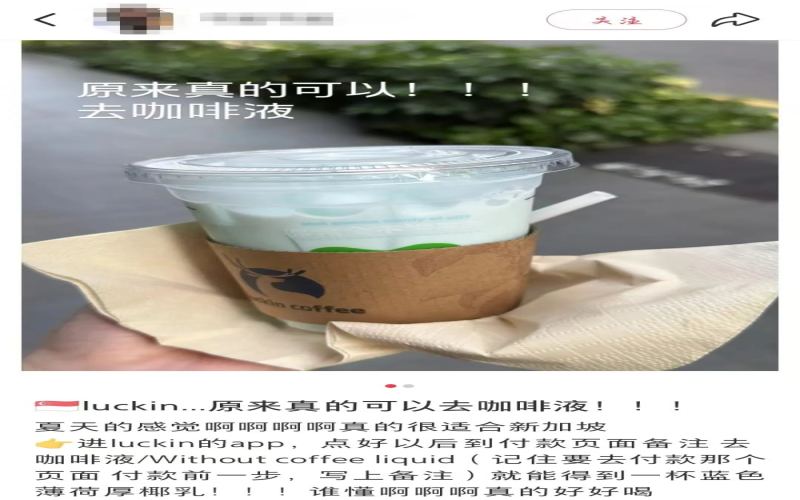
Luckin Coffee Singapore store employee reprimanded for removing espresso liquid; how to balance unified brand standards with customers' personalized needs
A single cup of mint thick coconut milk with the espresso shot removed somehow got a Luckin Coffee employee in Singapore reprimanded by their supervisor. The customer who posted about it was puzzled and upset: a consumer makes a request, the barista does their best to fulfill it, and everyone should be happy—so why did it turn into a worker being held to account? Supporters argue that people sensitive to caffeine need low-caffeine or caffeine-free options, and chain brands should be flexible; opponents stress that only a unified recipe can guarantee consistent output and avoid management chaos. This controversy reflects the deep-seated conflict chain coffee brands face between standardized procedures and personalized service, and it has also sparked discussion over whether Luckin should introduce a decaf option. [more…]
A Beginner's Guide to Blended Coffee Beans: Blending Principles, Common Classifications, and Recommended Ratios for Newbies
Blended coffee beans are coffee products made by mixing beans from two or more origins in a certain proportion, thereby achieving a balanced taste and richer flavor layers. For enthusiasts who are new to blends, understanding the characteristics of different blending ratios, as well as the influence of roast level on flavor, is the first step in choosing what suits their own taste. Front Street Coffee has launched a number of espresso blends for home users and cafe operators, covering everything from basic entry-level options to floral and fruity styles. This article will introduce three of the most representative blending approaches, and sort out the respective suitable groups and scenarios for medium roast, dark roast, and decaf, helping beginners find their own preference direction. [more…]